






The site you are about to enter is intended for US healthcare professionals.
Are you a US healthcare professional?
Confirm and enter Visit patient siteActor portrayal
AMVUTTRA® (vutrisiran) is a prescription medicine approved to treat ATTR-CM and hATTR-PN in adults
Symptoms get worse over time and can lead to serious health risks

Heart failure

Nerve damage

Physical disability

Early death
There are 2 types of ATTR
Wild-type ATTR (wtATTR)
Cause unknown, but may be associated with aging
Commonly associated with heart (cardiac) symptoms
Hereditary ATTR (hATTR)
Caused by an inherited gene variant that runs in families
Commonly associated with both heart (cardiac) and nerve (neuropathy) symptoms
Hear how Tim and Art moved forward after diagnosis

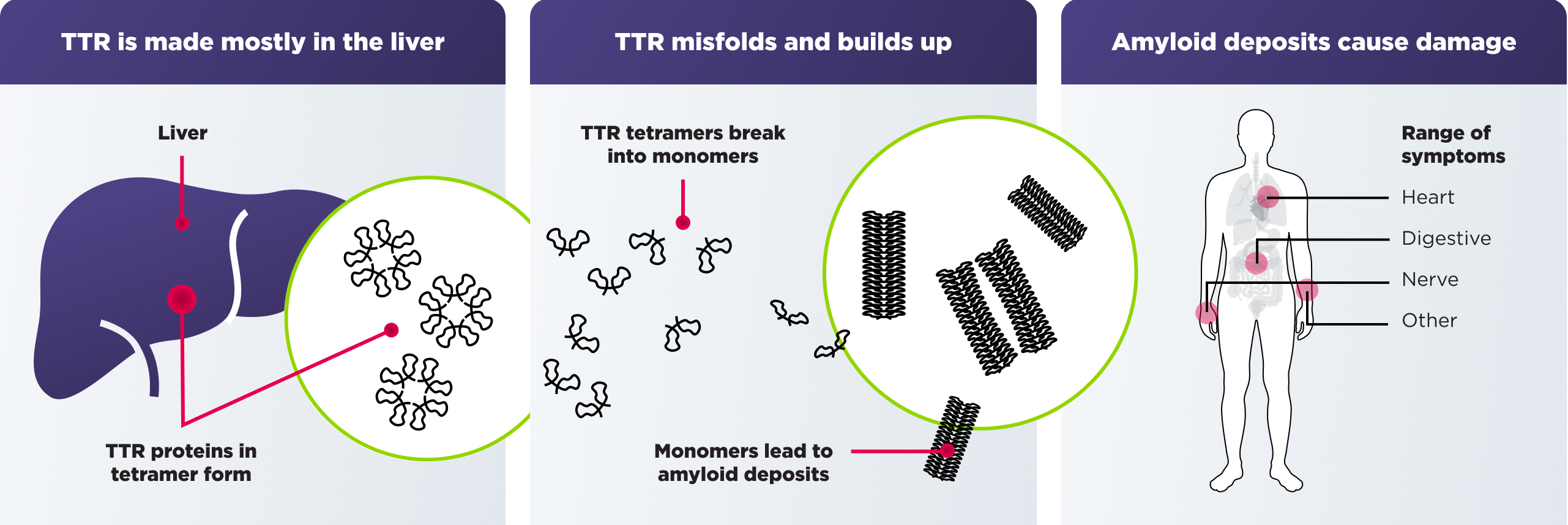
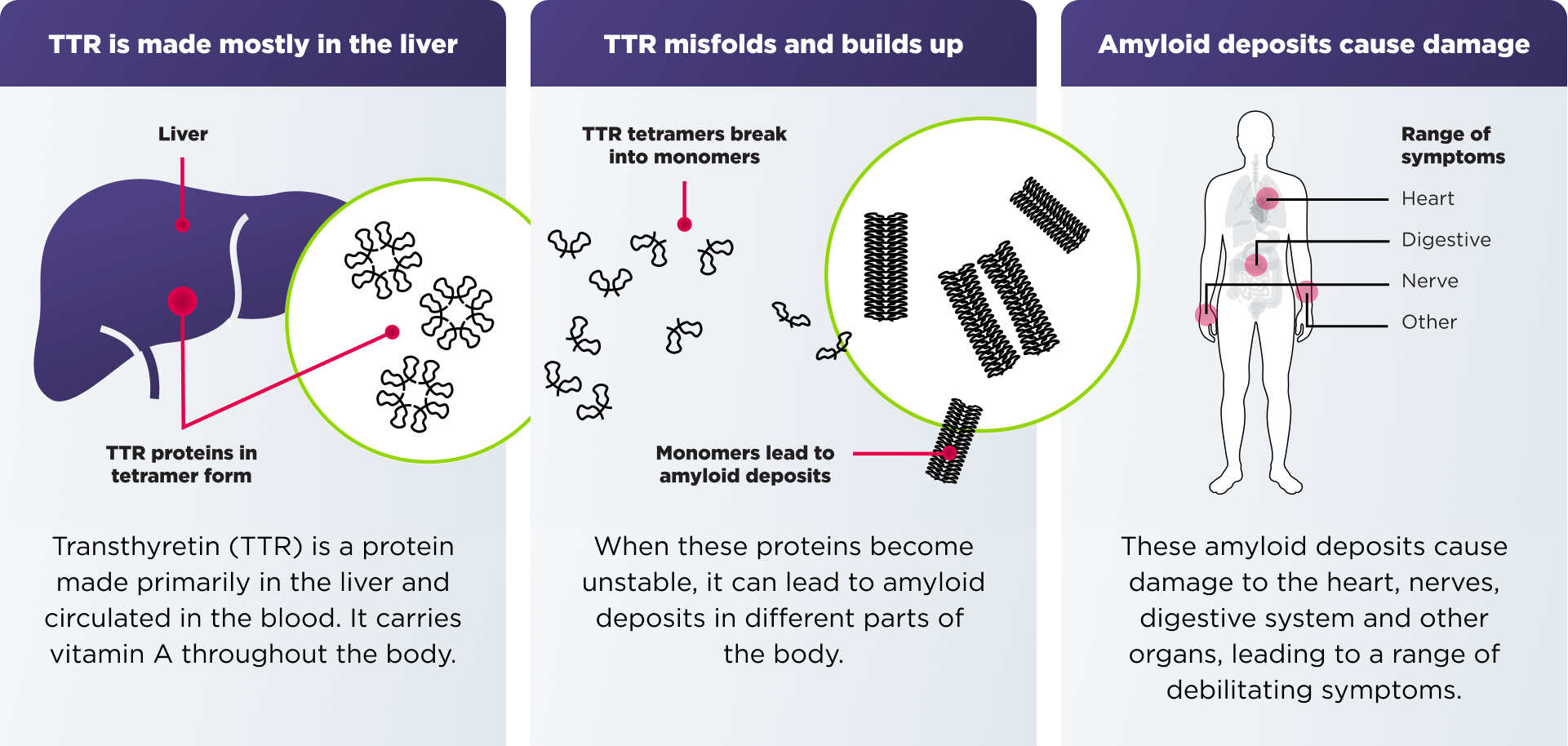
Misfolded TTR proteins build up in the body, causing symptoms
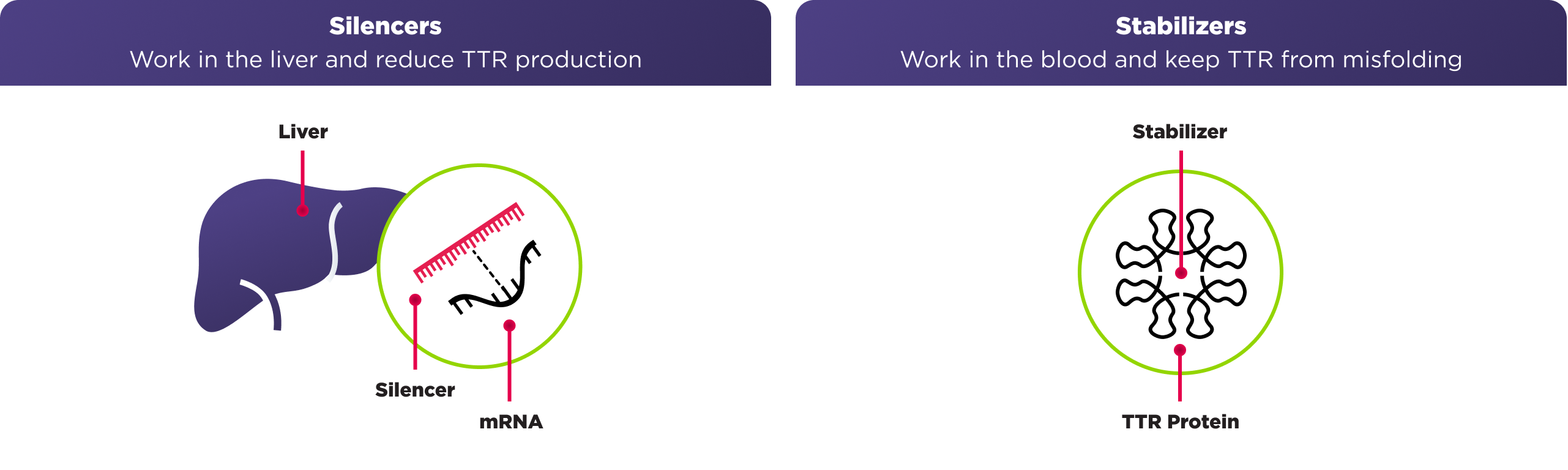
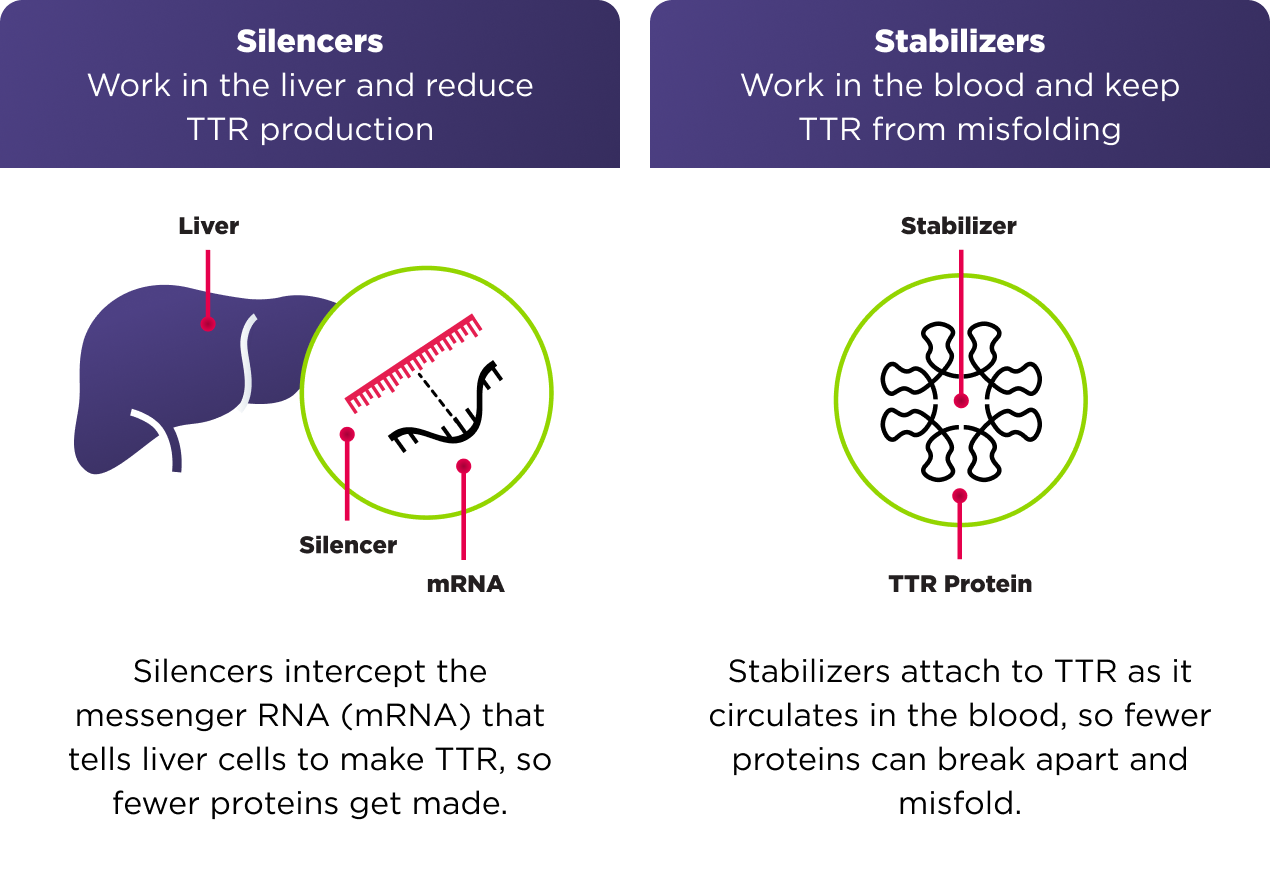
Treatment options work in different ways
Medicines are available for different types and symptoms of ATTR.
Starting treatment early may slow the progression of disease.

Different types of ATTR can affect different parts of the body
Abnormal heart rhythms (arrhythmias)
Irregular heartbeat
Shortness of breath
Fatigue
Fainting
Leg swelling (edema)
Tingling
Numbness
Burning pain
Loss of sensitivity to temperature
Loss of movement control
Weakness
Digestive issues (nausea and vomiting, diarrhea, constipation)
Dizziness upon standing
Recurrent urinary tract infections (UTIs)
Abnormal sweating
Sexual dysfunction
Unintentional weight loss
Carpal tunnel syndrome
Lumbar spinal stenosis
Biceps tendon rupture
Rotator cuff injury
Osteoarthritis
Trigger finger
You may not have all of these symptoms at once or experience all of them over time. Each person has a different experience.
AMVUTTRA does not treat all types or symptoms of ATTR. AMVUTTRA is approved to treat ATTR-CM and hATTR-PN in adults.




Symptoms can make it harder to live your life
Daily activities become more difficult, such as:

Walking distances

Doing things for yourself like daily chores

Climbing stairs

Enjoying outings with friends and family
Talk to your doctor about options that may help slow the progression of your disease.


Genetic testing is the key to confirming hereditary ATTR
120 gene variants are associated with hATTR
V122I is the most common variant in the US
About 4% of Black Americans carry the V122I variant.

A higher risk of progression with V122I
The V122I variant is linked to a higher risk of heart failure and death.

Because of the risks, having candid conversations with your doctor is especially important for Black Americans with ATTR and the V122I gene variant.



Actor portrayals
What are the most important things I should know about AMVUTTRA® (vutrisiran)?
AMVUTTRA can cause low vitamin A levels
Treatment with AMVUTTRA lowers the amount of vitamin A in your blood. Your doctor will tell you to take a vitamin A supplement every day. You should not take more than the amount of vitamin A recommended by your doctor.
Low vitamin A levels can affect vision. If you have problems with your vision (e.g., night blindness) while taking AMVUTTRA, talk to your doctor. Your doctor may refer you to an eye specialist.
What are the common side effects of AMVUTTRA?
The most common side effects of AMVUTTRA were pain in the arms or legs, pain in the joints, shortness of breath, and low vitamin A levels.
These are not all the possible side effects of AMVUTTRA. Talk to your doctor about side effects that you experience. You are encouraged to report negative side effects of prescription drugs to the U.S. Food and Drug Administration (FDA). Visit www.fda.gov/medwatch, or call 1‑800‑FDA‑1088.
For additional information about AMVUTTRA, please see the full Prescribing Information.
What is AMVUTTRA?
AMVUTTRA is a prescription medicine that treats the:
Important Safety Information and Indications
What are the most important things I should know about AMVUTTRA® (vutrisiran)?
AMVUTTRA can cause low vitamin A levels
Treatment with AMVUTTRA lowers the amount of vitamin A in your blood. Your doctor will tell you to take a vitamin A supplement every day. You should not take more than the amount of vitamin A recommended by your doctor.
Low vitamin A levels can affect vision. If you have problems with your vision (e.g., night blindness) while taking AMVUTTRA, talk to your doctor. Your doctor may refer you to an eye specialist.
What are the common side effects of AMVUTTRA?
The most common side effects of AMVUTTRA were pain in the arms or legs, pain in the joints, shortness of breath, and low vitamin A levels.
These are not all the possible side effects of AMVUTTRA. Talk to your doctor about side effects that you experience. You are encouraged to report negative side effects of prescription drugs to the U.S. Food and Drug Administration (FDA). Visit www.fda.gov/medwatch, or call 1‑800‑FDA‑1088.
For additional information about AMVUTTRA, please see the full Prescribing Information.
What is AMVUTTRA?
AMVUTTRA is a prescription medicine that treats the:
cardiomyopathy of
ATTR amyloidosis
polyneuropathy of hereditary
ATTR amyloidosis
transthyretin
transthyretin-mediated
amyloidosis
Kansas City Cardiomyopathy
Questionnaire
6-minute walk test
modified Neuropathy
Impairment Score +7
Quality of Life-Diabetic
Neuropathy